
Spring Car Maintenance in Albuquerque: Your Post-Winter Checklist
March 20, 2026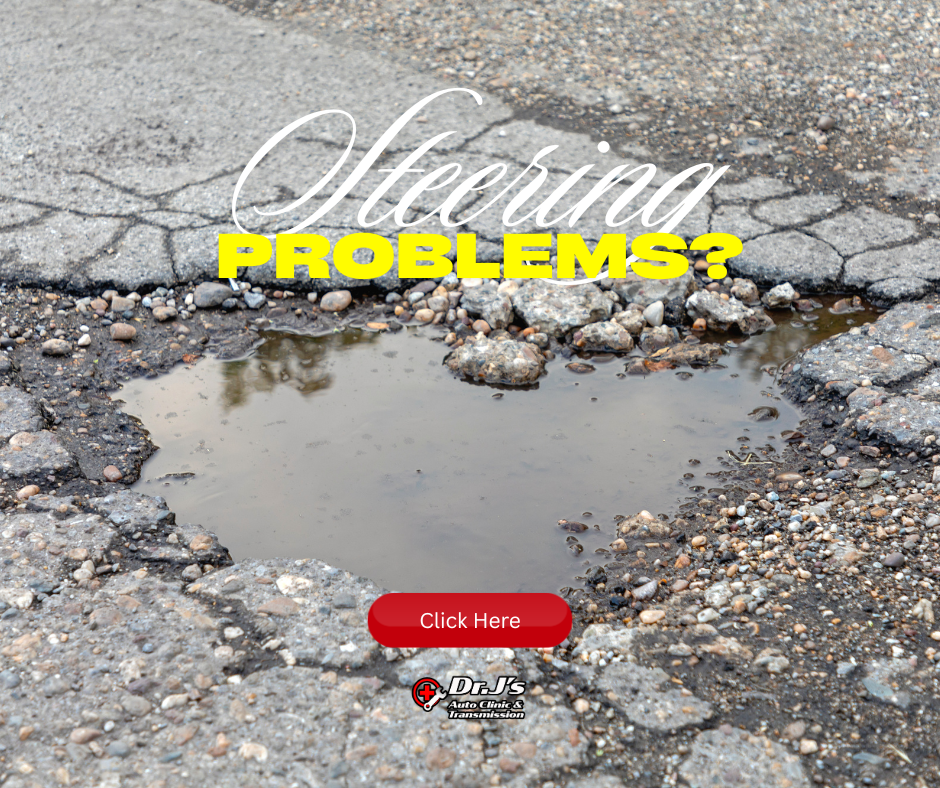
Spring in Albuquerque means warmer days, blooming desert landscapes, and a fresh crop of potholes on roads across the city and Rio Rancho. Winter’s freeze-thaw cycles crack and crumble asphalt, and by April, some of those road hazards are deep enough to do real damage. The jolt you feel when you hit one is more than unpleasant. It can knock your alignment out of spec, damage suspension components, and set off a chain of wear that costs far more to fix later than it does to address now.
- A single pothole strike can shift your alignment enough to cause uneven tire wear within weeks
- Damaged struts, shocks, and control arm bushings often show no obvious symptoms until the problem becomes severe
- Early inspection after a hard hit prevents a minor alignment correction from becoming a major suspension repair
What a Pothole Actually Does to Your Suspension
When your tire drops into a pothole at speed, the impact force travels upward through the wheel, into the steering knuckle, and through every connected suspension component. Struts and shocks absorb the initial blow, but control arm bushings, ball joints, and tie rod ends all flex under that sudden load. In many cases, a single hard impact is enough to push the toe or camber angle out of the manufacturer’s specification. You might not feel anything different behind the wheel immediately, but within a few hundred miles, your tires start wearing unevenly, and by the time you notice the problem visually, you may need new tires along with the alignment.
The sneaky part is that suspension damage from potholes is often incremental. One hit loosens a bushing slightly. A second impact a week later pushes it further. By the time you notice your steering pulling to one side or hear a new clunk over bumps, you are dealing with multiple worn components instead of the single part that started it all. That is why a proactive inspection matters. Catching the initial damage early keeps the repair simple and affordable.
Albuquerque Roads and the Altitude Factor
Our roads face a unique combination of challenges that makes pothole damage more common than drivers expect. Summer heat softens asphalt, and when winter cold returns, the surface contracts and cracks. Water from rain or snowmelt seeps into those cracks, freezes overnight, and expands the gaps. By spring, entire sections of roadway have lost chunks of surface material. Add in Albuquerque’s sandy soil, which shifts and settles beneath road surfaces, and you get potholes that form quickly and grow faster than city crews can patch them.
Altitude plays a subtle role as well. Tire pressure fluctuates more at elevation because our temperature swings are wider. A tire that is slightly under-inflated absorbs pothole impacts less effectively because there is less air cushion protecting the wheel and suspension from the full force of the hit. Checking and correcting tire pressure regularly is one of the simplest ways to reduce the risk of pothole damage, and it costs nothing.
Signs You Need an Alignment or Suspension Check
Not every pothole hit requires a trip to the shop, but certain symptoms should prompt an inspection sooner rather than later. If your steering wheel is off-center when driving straight, your alignment has shifted. A vehicle that drifts or pulls to one side on a flat, straight road is another clear indicator. New vibrations in the steering wheel, especially at highway speeds, may point to a bent wheel or damaged tire.
Listen for changes as well. Clunking or knocking sounds over bumps suggest worn ball joints or sway bar links. A hollow rattling noise when turning may indicate a failing strut mount. These sounds tend to develop gradually, so it helps to pay attention to your vehicle’s normal behavior and notice when something changes.
Tire wear is the final evidence. Check the inside and outside edges of your front tires. If one edge is wearing faster than the other, your alignment is off. Cupping or scalloping across the tread surface points to worn shocks or struts that are no longer controlling the tire’s contact with the road.
Pothole damage does not fix itself, and the longer you wait, the more expensive the repair becomes. If you have hit a bad one this spring, or if you are noticing any of the symptoms above, an alignment check and suspension inspection will tell you exactly where you stand. Get ahead of it now and save yourself the cost of premature tire replacement and more extensive repairs down the road.